
Carabin Shaw is one of the leading personal injury law firms in Texas. They have extensive experience in car accident cases, focusing on securing compensation for clients’ medical bills, property damage, and pain and suffering.
Specialization: Personal injury, car accidents, wrongful death, 18-wheeler accidents.
Why choose them? Carabin Shaw offers a free initial consultation, and its team is known for aggressively advocating for its clients’ rights.
PTSD and Psychological Trauma: Mental Health Treatment After Car Accidents
The screech of brakes, the crushing impact of metal against metal, the sudden silence afterward—these moments sear themselves into victims’ minds, creating invisible wounds that persist long after physical injuries heal. In San Antonio, where over 39,000 car accidents occur annually on highways like Interstate 35 and Loop 1604, the psychological aftermath of traumatic collisions affects thousands of victims who struggle with post-traumatic stress disorder (PTSD) and related mental health conditions that insurance companies often dismiss as inconsequential. More about our car accident lawyers San Antonio here
The Hidden Epidemic of Psychological Trauma
Motor vehicle accidents represent one of the most common causes of PTSD in civilian populations, with research indicating that serious car crashes produce psychological trauma in millions of Americans each year. An estimated 3.5% of adults experience PTSD annually, with motor vehicle accidents constituting a significant portion of these cases. The sudden, unexpected nature of car accidents—combined with the genuine threat of death or serious injury—creates perfect conditions for developing trauma-related mental health disorders.
Unlike physical injuries that announce themselves through visible wounds and obvious pain, psychological trauma operates in shadows, creating symptoms that victims may not recognize or understand for weeks or months after accidents. This delay in recognition allows PTSD to take root deeply in victims’ minds, fundamentally altering their brain chemistry and forever changing how they experience safety, trust, and normal daily activities.
Acute stress responses occur immediately after traumatic car accidents, with victims experiencing intense fear, helplessness, and horror during and immediately following collisions. These normal responses to abnormal situations typically resolve naturally within days or weeks. However, when symptoms persist beyond one month and significantly impair daily functioning, acute stress may transition into full PTSD requiring professional intervention.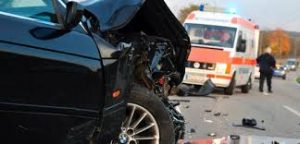
Research examining motor vehicle accident survivors reveals that PTSD development depends on numerous factors, with injury severity, pre-existing mental health conditions, and social support systems playing crucial roles in determining psychological outcomes. Studies show that approximately 15-30% of serious car accident victims develop PTSD, making it one of the most common long-term consequences of vehicular trauma.
The Neuroscience of Automotive Trauma
Car accidents create unique psychological trauma because they combine multiple PTSD risk factors simultaneously: sudden life threat, physical injury, helplessness, and sensory overload. Understanding the neurobiological changes that occur during and after traumatic car accidents helps explain why these events produce such lasting psychological effects.
During high-impact San Antonio collisions—such as those common on Loop 1604 interchanges or Highway 151 intersections—the brain’s alarm system activates immediately, flooding the body with stress hormones like adrenaline and cortisol. These chemicals enhance survival responses but also create vivid, emotionally charged memories that become permanently etched in neural pathways.
Hypervigilance develops as the brain attempts to prevent future traumatic experiences by constantly scanning for potential threats. Car accident victims often become hyperaware of other vehicles, intersection approaches, and traffic sounds, creating exhausting mental states that interfere with concentration, sleep, and relationships.
Memory fragmentation occurs when traumatic experiences overwhelm normal memory processing systems. Instead of forming coherent narratives about accidents, victims may experience fragmented sensory memories—the sound of crunching metal, the smell of airbag powder, the sensation of spinning—that intrude randomly into consciousness through flashbacks and nightmares.
Avoidant behaviors develop as victims’ brains attempt to protect them from trauma reminders. This may manifest as refusing to drive, avoiding specific routes where accidents occurred, or becoming anxious passengers even in safe vehicles. While avoidance provides temporary relief, it ultimately reinforces trauma by preventing natural recovery processes.
The Spectrum of Post-Accident Psychological Disorders
Car accidents produce various psychological conditions beyond classic PTSD, with many victims experiencing multiple overlapping mental health challenges that complicate treatment and recovery.
Major Depressive Disorder frequently accompanies PTSD, with car accident victims being 3-5 times more likely to develop depression compared to the general population. The combination of physical limitations, financial stress, and trauma symptoms creates perfect conditions for depressive episodes that may persist for years without proper treatment.
Anxiety Disorders manifest in numerous forms after car accidents, from generalized anxiety about safety to specific phobias about driving or riding in vehicles. Panic attacks may occur when victims encounter accident reminders, creating additional distress and functional impairment that affects work and family relationships.
Adjustment Disorders develop when victims struggle to adapt to post-accident lifestyle changes, whether from physical disabilities, financial hardships, or family disruptions. These conditions may seem less severe than PTSD, but can significantly impact quality of life and recovery progress.
Substance Use Disorders often emerge as victims attempt to self-medicate trauma symptoms with alcohol or drugs. The numbing effects of substances provide temporary relief from hypervigilance and intrusive memories but ultimately worsen psychological conditions and create additional health problems.
Sleep Disorders plague the majority of car accident victims, with trauma-related insomnia, nightmares, and sleep fragmentation creating cycles of exhaustion that impair healing and psychological recovery. Poor sleep quality worsens PTSD symptoms while making victims more vulnerable to depression and anxiety.
The Unique Challenges of Automotive PTSD
PTSD from car accidents presents distinctive challenges compared to other trauma types because modern life requires regular interaction with the trauma source—vehicles and roadways. Unlike combat veterans who can avoid war zones or assault survivors who can modify their environments, car accident victims must regularly confront trauma reminders during essential daily activities.
Driving necessity creates ongoing trauma exposure for victims who must drive for work, family responsibilities, or medical appointments. Each time victims enter vehicles or navigate traffic, they re-experience anxiety and hypervigilance that maintain PTSD symptoms rather than allowing natural recovery.
Passenger anxiety extends trauma effects to family members and friends who become reluctant to ride with accident victims or allow them to drive. Children of car accident victims often develop their own anxiety about vehicle travel, creating family-wide trauma effects that strain relationships and limit activities.
Economic pressures compound psychological trauma when victims must return to driving for employment despite ongoing anxiety and hypervigilance. The financial necessity of working conflicts with trauma symptoms, creating impossible choices between psychological safety and economic survival.
Social isolation develops when victims avoid social activities requiring vehicle travel, limiting their exposure to supportive relationships and activities that could aid recovery. This isolation perpetuates depression and anxiety while reducing access to natural support systems.
Treatment Approaches for Automotive Trauma
Effective PTSD treatment requires specialized approaches that address both trauma symptoms and the unique challenges of automotive-related psychological injury. Evidence-based treatments show significant success in reducing symptoms and restoring functioning when properly implemented.
Cognitive Processing Therapy specifically addresses trauma-related thoughts and beliefs, helping victims process their accident experiences and develop healthier perspectives about safety, responsibility, and future risks. This therapy proves particularly effective for car accident victims who blame themselves for collisions or develop irrational fears about driving safety.
Prolonged Exposure Therapy gradually helps victims confront trauma-related situations they’ve been avoiding, such as driving or riding in vehicles. Through carefully structured exposure exercises, victims learn that their feared situations are generally safe and that anxiety symptoms naturally decrease over time.
Eye Movement Desensitization and Reprocessing (EMDR) uses bilateral stimulation to help process traumatic memories and reduce their emotional impact. This technique shows particular promise for car accident victims whose trauma symptoms center on vivid sensory memories and intrusive flashbacks.
Trauma-Focused Cognitive Behavioral Therapy combines multiple evidence-based techniques to address both PTSD symptoms and associated conditions like depression and anxiety. This comprehensive approach proves especially valuable for complex cases involving various psychological conditions.
Medication management using SSRI or SNRI antidepressants provides moderate symptom relief for approximately half of PTSD patients. While medication alone rarely provides complete recovery, it can reduce symptom severity enough to enable participation in psychotherapy and daily functioning.
The Economic Impact of Psychological Trauma
Car accident PTSD creates substantial economic burdens that extend far beyond initial mental health treatment costs. Understanding these financial implications helps attorneys properly value psychological injury claims and ensures adequate compensation for long-term needs.
Mental health treatment costs for PTSD typically range from $15,000-50,000 over the first year, with therapy sessions costing $150-300 each and requiring 20-50 sessions for symptom resolution. Medication costs add $2,000-5,000 annually, while psychiatric evaluations and monitoring contribute additional expenses.
Lost productivity represents the largest component of PTSD-related economic damages, with victims often unable to maintain previous work performance due to concentration difficulties, absenteeism, and anxiety symptoms. Conservative estimates suggest PTSD reduces earning capacity by 20-40% during active symptom periods.
Family impact costs emerge when spouses must reduce work hours to provide support or transportation, children require counseling for secondary trauma, or family activities become restricted due to victims’ limitations. These ripple effects can cost families $10,000-30,000 annually in lost income and additional expenses.
Long-term disability may develop in severe cases where PTSD symptoms prove treatment-resistant or co-occur with other conditions. Lifetime disability costs can reach $500,000-1,500,000 when victims cannot return to previous employment levels due to psychological impairment.
San Antonio’s Trauma-Inducing Traffic Patterns
Local driving conditions and accident patterns in San Antonio create particularly traumatic collision experiences that increase PTSD risk for victims throughout the metropolitan area.
Interstate 35 construction zones lead to sudden stops, lane changes, and aggressive driving, creating chaotic accident scenes. The combination of high speeds, commercial traffic, and construction barriers often results in multi-vehicle collisions with extended rescue operations that increase psychological trauma severity.
Loop 1604 interchange complexity generates confusion and anxiety even before accidents occur, with victims often reporting that the complex traffic patterns contributed to their collision trauma. Post-accident driving anxiety intensifies when victims must navigate these same confusing interchanges during recovery.
Downtown San Antonio incident response involves multiple emergency vehicles, extensive traffic delays, and large crowds of observers, creating overwhelming sensory experiences that enhance trauma impact. The urban environment’s noise, lights, and chaos contribute to more severe PTSD development compared to simple two-car accidents on quiet roads.
Impaired driving accidents common in San Antonio’s entertainment districts create additional trauma when victims discover that preventable collisions occurred due to others’ reckless choices. The injustice component of these accidents often intensifies PTSD symptoms and complicates recovery processes.
Insurance Company Mental Health Denial Tactics
Insurance companies routinely minimize or deny psychological injury claims, recognizing that PTSD settlements can reach substantial amounts when properly valued and documented. Understanding these tactics helps accident victims prepare for the challenges ahead.
Psychiatric legitimacy challenges question whether PTSD represents genuine disability or normal stress responses that should resolve naturally. Insurance companies often hire psychiatrists who minimize trauma symptoms and suggest that continued symptoms indicate pre-existing mental health problems rather than accident-related trauma.
Treatment necessity disputes challenge expensive therapies like EMDR or intensive outpatient programs, arguing that simple counseling should suffice for accident-related stress. These arguments ignore evidence-based treatment research and attempt to limit victims to inadequate interventions that prolong suffering.
Causation arguments claim that life stressors, job problems, or relationship issues caused psychological symptoms rather than car accidents. Insurance companies conduct extensive background investigations seeking any evidence of prior mental health treatment or life difficulties that might provide alternative explanations for symptoms.
Malingering allegations suggest that victims exaggerate or fabricate psychological symptoms for financial gain. These accusations ignore the significant stigma associated with mental health treatment and the fact that most PTSD victims prefer to minimize their symptoms rather than exaggerate them.
Why Carabin Shaw Succeeds with Psychological Injury Claims
PTSD and psychological trauma cases require attorneys who understand both complex mental health issues and the insurance industry’s sophisticated denial strategies. Carabin Shaw’s legal team works directly with leading trauma specialists, neuropsychologists, and PTSD researchers to build compelling cases that insurance companies cannot dismiss.
We recognize that psychological injuries often prove more debilitating than physical trauma, affecting every aspect of victims’ lives from family relationships to career prospects. Our attorneys ensure that settlements account for both economic losses and the profound human suffering that invisible psychological injuries create throughout recovery and beyond.
When insurance companies attempt to minimize psychological injury claims through stigmatizing arguments or inadequate settlement offers, we present compelling evidence to San Antonio juries who increasingly understand PTSD’s legitimacy and impact. Our track record demonstrates that proper legal advocacy can secure appropriate compensation for psychological trauma victims.
Taking Action After Traumatic Accidents
Psychological injuries require immediate attention just as physical trauma demands prompt medical care. The longer PTSD symptoms persist without treatment, the more deeply they become entrenched in brain chemistry and the more difficult they become to resolve effectively.
Don’t allow insurance companies to dismiss your psychological suffering as “just stress” that should resolve naturally. Texas law recognizes psychological injuries as legitimate damages deserving compensation when caused by others’ negligence, regardless of whether physical injuries also occurred.
Contact Carabin Shaw immediately if you’ve experienced psychological trauma following a San Antonio car accident. Our attorneys will ensure you receive proper mental health evaluation, connect you with leading trauma specialists, and fight for compensation that addresses both your immediate treatment needs and long-term psychological care requirements.
Your mental health matters as much as your physical wellbeing—your legal representation should provide equally strong advocacy for both aspects of your recovery.